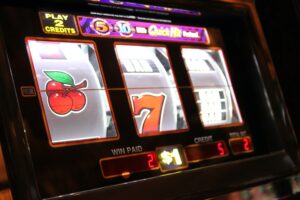
Neverfriday.com – Are you feeling lucky? Ready to experience the thrills and excitement of online casino gaming? Whether you’re a seasoned player or just starting out, there’s something for everyone in the world of virtual casinos. Join us as we explore the endless possibilities, big wins, and heart-pounding moments that await you in this exhilarating realm of chance. So buckle up and get ready to test your luck – who knows what fortunes might be waiting for you just a click away!
Introduction to Online Casino Gaming and its Popularity
Online casino gaming has exploded in popularity slot mahjong ways over the past few years, making it one of the most lucrative industries in the world. It is a virtual version of traditional land-based casinos, where players can enjoy various casino games such as slot machines, blackjack, roulette, and poker from the comfort of their own homes.
The rise of online casino gaming can be attributed to advancements in technology and internet accessibility. With high-speed internet becoming more affordable and easily accessible globally, people are now able to access online casinos anytime and anywhere. This convenience factor has played a significant role in attracting players towards online casino gaming.
One of the main reasons for its popularity is that online casinos offer a wide variety of games with different themes and variations compared to traditional brick-and-mortar casinos. This means that players have a larger pool of options to choose from and can switch between games quickly without having to wait for their turn.
These factors have contributed significantly to the immense popularity enjoyed by online casino gaming worldwide. With more and more countries legalizing online gambling, its popularity is only expected to continue growing in the upcoming years. So, for those feeling lucky and seeking some thrills, online casino gaming may just be the perfect choice.
How Does Online Casino Gaming Work?
Online casino gaming has become increasingly popular over the years, offering players the excitement and thrills of traditional casinos from the comfort of their own homes. But how exactly does online casino gaming work? In this section, we will delve into the details and explore the inner workings of online casinos.
To start off, online casinos operate just like any other website on the internet. They are accessible through a computer or mobile device with an internet connection. Once on the website, players can browse through a variety of virtual casino games such as slots, blackjack, roulette, and more.
The outcome of each game round is determined by random number slot spaceman generators at reputable online casinos. For example in slots games – these RNGs continuously generate numbers even when not in use so when a player clicks “Spin,” this sequence determines which symbols will appear on the reels at that moment.
It’s also worth noting that most reputable online casinos offer 24/7 customer support services to assist players with any technical or account-related queries. These can be accessed through live chat, email, or phone for a seamless and hassle-free gaming experience.
Online casino gaming works by providing players with a virtual platform to play their favorite casino games from anywhere at any time. By using technology such as random number generators and secure payment systems, these websites ensure fairness and security for all players. So why not give it a try and see for yourself the excitement of online casino gaming!
Benefits of Playing at an Online Casino
There are countless reasons why playing at an online casino can be a highly enjoyable and rewarding experience. Whether you are a seasoned gambler or just starting to dip your toes into the world of online gaming, here are some of the top benefits that make this form of entertainment so popular.
1. Convenient and Flexible Access: One of the biggest advantages of online casinos is their accessibility. Unlike traditional brick and mortar casinos, you don’t need to travel anywhere or adhere to their operating hours. You can access your favorite games at any time from the comfort of your own home, during your lunch break at work, or even while traveling.
2. A Wide Selection of Games: Online casinos offer a vast array of games to choose from, ranging from classic table games such as blackjack and roulette to modern slot machines with stunning graphics and themes. With so many options available at your fingertips, you’ll never get bored and are sure to find a game that suits your preferences.
3. Bonuses and Rewards: Online casinos also offer attractive bonuses and rewards for both new and existing players. These may come in the form of welcome bonuses, free spins, cashback offers, loyalty programs, and more. These perks not only enhance the overall gaming experience but also increase your chances of winning big without spending extra money.
4. No Time Pressure: In land-based casinos, there is often a time limit for sbobet88 making decisions during gameplay which can add unnecessary stress or pressure on players. However, online casinos allow you to take your time to strategize without feeling rushed or anxious about making quick choices.
5. Better Payout Rates: Compared to traditional casinos where overhead costs must be factored in when determining payout rates, online casinos have lower operating costs which means they can afford higher payout percentages for players.
Different Types of Games Available
There are countless online casino games available in the world of virtual gambling, making it possible for players to find something that truly suits their personal preferences and gaming style. With such a vast selection of games at your fingertips, there is no doubt that you will always find something to keep you entertained and excited.
Here are some of the most popular types of online casino games:
1. Slot Games: These are perhaps the most well-known and loved type of online casino game. Slot games come in a variety of themes and styles, ranging from classic fruit machines to modern video slots with impressive graphics and animations. The gameplay is usually simple – all you have to do is spin the reels and line up matching symbols to win.
2. Table Games: If you prefer more strategic gameplay, then table joker gaming games such as blackjack, roulette, craps, and baccarat might be right up your alley. These games require skill and decision-making rather than luck alone. They also often come with various betting options to cater to different budgets.
3. Live Casino Games: For those who miss the sociable atmosphere of land-based casinos, live casino games offer an immersive experience that brings the excitement directly to your screen. You can interact with real dealers in real-time while playing popular table games like blackjack or roulette.
4. Video Poker: Combining elements of slot machines and traditional poker, video poker allows players to make decisions on which cards they want to hold or discard in order to create winning hands.
5. Specialty Games: These include scratch cards, bingo-style games, keno, or other unique offerings that don’t fit into traditional categories but still provide plenty of fun opportunities for players.
Tips for Beginners: How to Increase Your Chances of Winning
Online casino gaming is a world of excitement, entertainment and the potential for big wins. For beginners, it can feel overwhelming with the many games, strategies and rules involved. But fear not, because we’ve put together some valuable tips to help increase your chances of winning in online casinos.
1. Choose a reputable online casino
The first step towards increasing your chances of winning is to select a reliable and trustworthy online casino. Make sure to do your research and read reviews before signing up. A reputable online casino will have secure payment options, fair gameplay and excellent customer service.
2. Understand the rules and odds
Before diving into any game, take the time to understand its rules and odds. Each game has its own set of rules which may vary from one online casino to another. Having a good understanding of the odds will also give you a better chance at making strategic decisions.
3. Start with lower stakes
As a beginner, it’s best to start with lower stakes until you gain confidence in your gameplay skills. This way, you won’t risk losing too much money while learning the ropes.
4. Take advantage of bonuses and promotions
Online casinos often offer bonuses and promotions as incentives for players. Make sure to keep an eye out for these offers as they can boost your chances of winning without having to spend more money.
5. Have a budget in place
It’s crucial to set a budget when playing in online casinos as it’s easy to get carried away with all the excitement. Decide on how much you’re willing to spend beforehand and stick to it strictly.
Bonuses and Promotions: Making the Most out of Your Experience
Bonuses and promotions are an important aspect of online casino slot server thailand gaming that should not be overlooked. These offers can greatly enhance your overall gaming experience and potentially increase your chances of winning. With stiff competition in the online casino industry, operators are constantly coming up with enticing bonuses and promotions to attract new players and keep their existing ones happy.
It’s essential to read through the terms and conditions carefully before accepting any bonus or promotion at an online casino. Most offers come with wagering requirements – meaning that you must wager a certain amount before being able to withdraw any winnings made from using the bonus funds or free spins. It’s also worth noting that some bonuses are only valid for a limited time and may have specific game restrictions, so it’s crucial to understand the terms to avoid any disappointment or confusion.
Taking advantage of bonuses and promotions is an excellent way to maximize your online casino gaming experience. They provide players with extra funds to play with, allowing for more extended gameplay and potentially bigger wins. Just make sure to do your research and read the terms and conditions carefully before choosing which bonuses to accept. Happy gaming!
Responsible Gambling: Setting Limits and Staying in Control
Responsible gambling is a crucial aspect of online casino gaming. While it can be an exhilarating and enjoyable experience, it is important to prioritize responsible behavior in order to avoid any negative consequences that may arise from excessive or uncontrolled gambling habits.
One of the most effective ways to maintain control while gambling is by setting limits for yourself. This includes both time and money limits. Time limits ensure that you do not spend too much time playing and neglect other important aspects of your life such as work, relationships, and self-care. Money limits, on the other hand, help you avoid overspending and potentially falling into financial troubles.
When setting time limits, start by determining a specific amount of time that you are comfortable dedicating to online casino gaming. It could be an hour or two each day or on specific days of the week. Set a timer when you begin playing and make sure to stop when it goes off. This will help prevent any urge to continue playing beyond the allotted time.
If at any point during gameplay you feel like losing control or experiencing negative emotions related to gambling, take a break. Step away from the game and engage in other activities that you enjoy. It is also essential to have open communication with friends and family about your gambling habits and seek support if needed.
Responsible gambling involves setting limits for time and money while staying in control of one’s emotions and actions while participating in online casino gaming. By prioritizing responsible behavior, players can continue to enjoy the thrills of online gambling without any adverse effects. Remember to always stick to your set limits and never hesitate to seek help if necessary.
The Excitement and Convenience of Online Casino Gaming
Online casino gaming has revolutionized the gambling industry, offering players exciting and convenient ways to experience their favorite games. This modern form of gambling provides players with an unparalleled level of flexibility and convenience, making it a popular choice for many.
The excitement of online casino gaming lies in its vast selection of games that caters to every player’s preferences. From traditional classics like blackjack and roulette to more modern options such as online slots and virtual poker, there is something for everyone in the world of online casinos. Additionally, with advancements in technology, these games now boast high-quality graphics, realistic sound effects, and smooth gameplay that enhances the overall experience.
One of the major draws of online casino gaming is its accessibility. Players can access their favorite casino games from any location at any time, as long as they have a stable internet connection. This means that you no longer have to make time-consuming trips to land-based casinos or adhere to their operating hours; instead, you can enjoy your preferred games from the comfort of your own home or even on-the-go via mobile devices.
Moreover, online casinos also offer various bonuses and promotions that add an extra layer of excitement to the gaming experience. These incentives may include welcome bonuses for new players, loyalty rewards for regular customers or seasonal bonuses during holidays or special events. These perks not only provide players with additional funds to play with but also give them a chance to win bigger prizes.
Another added convenience of online casino gaming is the ability to control your own gameplay environment. Unlike traditional casinos where you may be surrounded by distractions such as loud noises and crowds, playing from home allows you to focus solely on your game without any external disruptions. You can also set your own pace without feeling rushed by other players or dealers.
The combination of thrill-inducing games and convenience makes online casino gaming an irresistible form of entertainment for many people worldwide. With its easy accessibility and exciting features like bonuses and customization options, it’s no surprise that this industry continues to gain popularity and attract new players every day. So if you’re feeling lucky and want to experience the thrill of gambling, why not give online casino gaming a try? With a variety of games to choose from and the convenience of playing from anywhere at any time, it’s sure to be an exhilarating experience.
 Andy Owens
  dokter backlink